
Introduction
Welcome to my corner! Last week, I shared my thoughts on the film The Man Who Came to Dinner. This week, in honor of the Juneteenth holiday (tomorrow), I'm sharing my thoughts on the film How They Got Over.
Enjoy!
How They Got Over
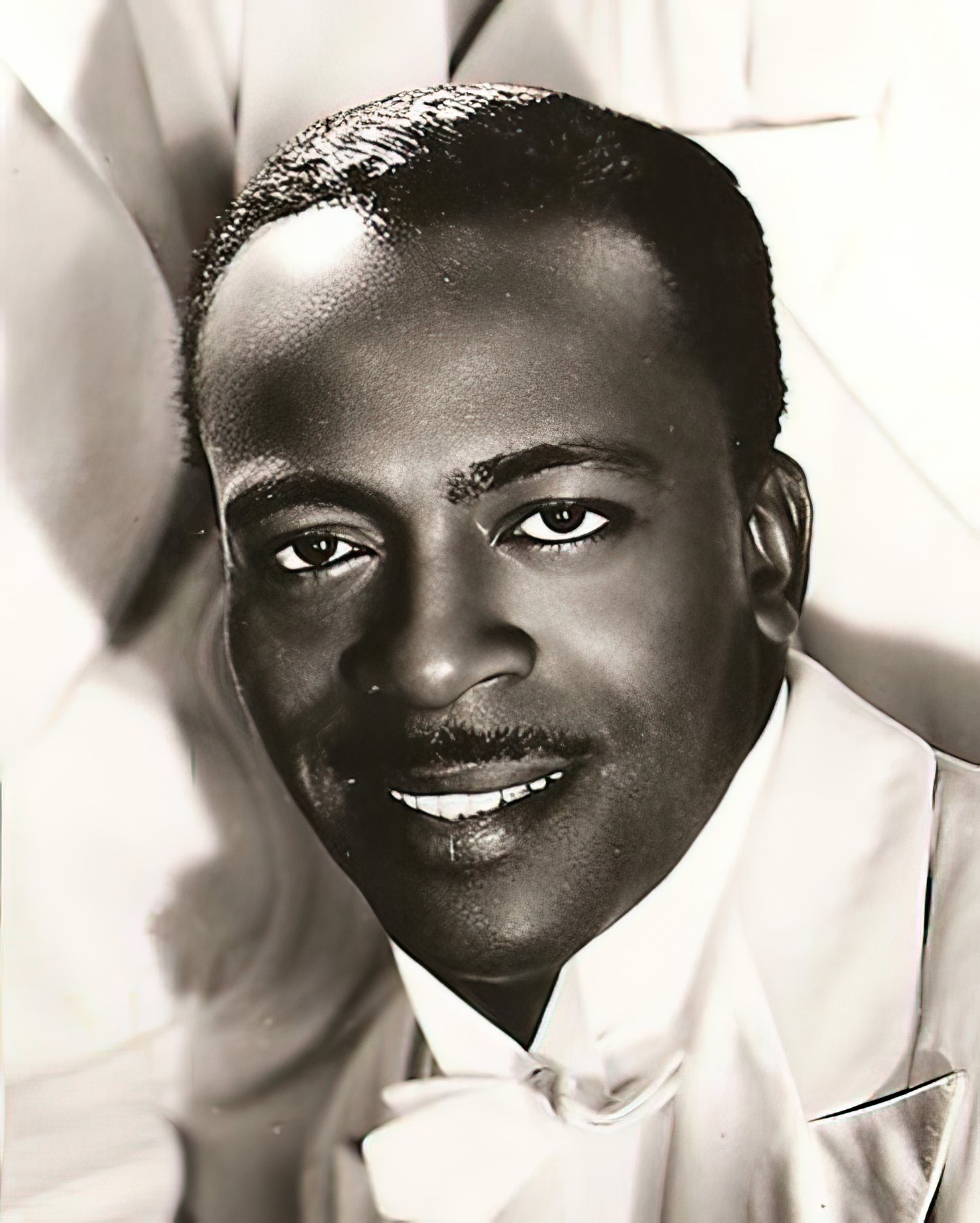
How They Got Over tell the story of how Black gospel quartet music became a primary source of what would be known as rock and roll, and in the process helped to break down racial walls in mid-twentieth century America. Beginning in the 1920s, Black singers across the country took to the highways as the new technology of radio and records made it possible to reach a wider audience. Intense competition brought new ways to entertain, first with guitars, later with full bands, then with a performance style that would inspire Mick Jagger and a host of other rock and rollers. Their music was infectious, wrecking many a house on the chittlin' circuit, then graduating in the 40s and 50s to the Apollo and other major auditoriums across the country. The success of gospel quartets inspired record labels to form "doo-wop" groups that enticed gospel singers like Sam Cooke, Lou Rawls and Wilson Pickett to cross over to greater fame. How They Got Over features classic performance footage of the Sour Stirrers, Dixie Hummingbirds, Blind Boys of Alabama and Mississippi, Sensational Nightingales, Mighty Clouds of Joy, Highway QCs, Davis Sisters, Sister Rosetta Tharpe and many more. Some of the greatest names in quartet music are interviewed, giving vivid accounts of how they "got over" in their performances: shouting, bending over backwards, dancing, jumping off the stage—what came to be known as "gospel drama." In capturing their story, the film celebrates the spirit of gospel performers and how they helped usher in a musical revolution that changed the world forever.
Plot: Filmmakers document the history of African American gospel quartets and how they inspired other popular genres such as doo-wop, rhythm and blues, soul, Motown and rock 'n' roll.
Acting: How They Got Over is a documentary, there are no actors. Everyone in the film appears as themselves. Some of the individuals interviewed for the film included: Ira Tucker of the Dixie Hummingbirds, Clarence Fountain of the Blind Boys of Alabama, Dennis Edwards of the Temptations, Isaac Freeman of the Fairfield Four/Skylarks, and Otis Clay; all of whom sadly passed away by the time the movie was released in 2018, or shortly after. Many groups were mentioned in the film, but of those, these were the most mentioned/talked about: Soul Stirrers, Fairfield Four, Blind Boys of Alabama, Sensational Nightingales and the Highway QC's.
There isn't more information available about How They Got Over, so it was hard for me to research. I can only assume that work on the film started long before 2018 because one of the main people interviewed for the film, Ira Tucker, died in 2008. Unless his interview footage was archival, and not a personal interview. I wasn't able to figure that much out. But a decade between Ira's passing and the movie being released is a LONG time!
From what I can tell, Ira was the best person to include in this film because he was with his group, the Dixie Hummingbirds, for practically his whole life; from when he was 13 in 1938 to his death 2008. What a guy! It was interesting listening to his stories.

Technical aspects: How They Got Over was written and directed by Robert Clem. The movie was released on January 18, 2018. Producers of the film were Robert Clem, Michael Tannen and Mike Tannen. Executive producers were J.R. DiAndrea and Jim Lenard Thompson. One State Films was the production company.
Robert Clem has written, produced and directed works in film, television, radio and theater. Most frequently he has focused on fiction and nonfiction films set in his native Alabama, exploring and de-constructing its history, politics, literature, religion, music and its role as the nation's central battleground in the movement for black civil rights.
Four of director Robert Clem's most notable works (so far) include: Big Jim Folsom: The Two Faces of Populism, War Birds: Diary of an Unknown Aviator, How They Got Over, and Company K.
The title of the film, How They Got Over, alludes to the hymn, "How I Got Over". In the film, Ira Tucker and Clarence Fountain also say that "getting over" means you satisfied the audience, stirred their souls, or unleashed a spiritual epiphany.
Final Thoughts: Seeing the evolution of a genre of music is something to behold. Gospel quartets evolved from, or started from, jubilee ensembles and grew from there into acapella groups and then slowly added instruments with the changing times. As times changed, money got scarce and you saw the rise of other genres like rock and roll, that grew out of gospel quartets. Singers left their groups to pursue solo careers or different genres, like Sam Cooke.
A very interesting film overall. If you're interested in music or music history, I would recommend this to watch.
The only thing that I'm still puzzled by is the number of members in the so-called "quartets.' By definition, 'quartet' means four, yet the majority of groups featured in How They Got Over have five or more members. I'm guessing, in the cases of the five member groups, they separated the lead singer from the rest of the group, but I don't know why. It doesn't make sense to me.
Where to watch it: According to Google, How They Got Over is available to watch on the streaming services: Max, Hulu, YouTube TV or The Roku Channel. Or, you can purchase or rent a digital copy for a few dollars. I've also donated a DVD copy of the film to the Emil M. Larson Library in Clark for you all to enjoy if you choose to.
That's it for this week! What were your thoughts? Feel free to share them with us! You can call us, email us, visit us at the office, leave us a comment or message on Facebook, or even mail us something. Keep the comments, suggestions, questions, submissions, etc. coming our way! We'd love to hear from you!